

Search

Cep telefonundan hızlı erişim için bettilt seçiliyor.

Top 15 Iron-Rich Foods in Pakistan + When You Need a Supplement

Iron deficiency is Pakistan's silent health crisis. According to the National Nutrition Survey, nearly 60% of Pakistani women and 40% of children suffer from anemia — a condition directly linked to inadequate iron intake. Whether you live in Karachi, Lahore, Islamabad, or a smaller city like Multan or Faisalabad, understanding which iron rich foods in Pakistan are available and affordable can transform your energy levels, immunity, and overall well-being.

In this comprehensive guide, we'll walk you through the top 15 iron-rich foods easily found in Pakistani markets, explain how much iron you actually need, and help you decide when diet alone isn't enough.


Why Iron Matters for Your Body

Iron is the mineral responsible for producing hemoglobin — the protein in red blood cells that carries oxygen throughout your body. Without enough iron, you may experience:

  • Chronic fatigue and weakness
  • Pale skin and brittle nails
  • Shortness of breath during routine tasks
  • Difficulty concentrating (common in students)
  • Hair loss and cold hands/feet

For Pakistani women — especially those who are pregnant, breastfeeding, or experiencing heavy periods — iron needs are significantly higher than for men.


Top 15 Iron Rich Foods in Pakistan

Here's your complete list of iron rich foods in Pakistan that are both accessible and budget-friendly:

1. Chicken Liver (Kaleji)

One of the richest sources of heme iron, kaleji provides approximately 11mg of iron per 100g. It's widely available at meat shops across Pakistan for Rs. 400–600/kg.

2. Beef (Gosht)

Red meat is a staple in Pakistani cuisine. A 100g serving of beef contains around 2.7mg of iron. Opt for lean cuts from your local butcher.

3. Spinach (Palak)

A favourite in Pakistani kitchens, palak delivers about 2.7mg of iron per 100g (cooked). Palak gosht and palak paneer are delicious ways to increase intake.

4. Lentils (Daal)

Masoor daal and chana daal are Pakistani household staples. One cup of cooked lentils provides 6.6mg of iron — almost half your daily requirement.

5. Chickpeas (Chanay)

Whether in chana chaat from a Lahore street vendor or homemade chole, chickpeas offer 4.7mg of iron per cup.

6. Eggs (Anday)

Affordable and versatile, two eggs provide about 2.2mg of iron. Available everywhere from Karachi's Empress Market to village shops.

7. Dried Dates (Khajoor)

A Ramadan favourite, dates contain 1mg of iron per 5 pieces, plus natural energy-boosting sugars.

8. Black Seeds (Kalonji)

Used extensively in Pakistani cooking, kalonji seeds offer 7mg of iron per tablespoon.

9. Sesame Seeds (Til)

Often found in rewri and gajak sweets, til provides 4.1mg of iron per 2 tablespoons.

10. Pomegranate (Anaar)

Fresh anaar from Quetta and Balochistan orchards provides 0.3mg per 100g, plus vitamin C that enhances iron absorption.

11. Jaggery (Gur)

A winter staple in Punjab, gur contains 11mg of iron per 100g — far more than refined sugar.

12. Kidney Beans (Rajma)

Popular in rajma chawal, one cup provides 5.3mg of iron.

13. Dried Apricots (Khubani)

Hunza's famous dried apricots deliver 2.7mg per half cup — a perfect snack.

14. Watermelon Seeds (Tarbooz ke Beej)

Often discarded, these seeds contain 7.3mg of iron per 100g. Roast them for a crunchy snack.

15. Fortified Wheat Flour (Atta)

Many Pakistani flour brands are now iron-fortified. Check labels at your local grocery store in Rawalpindi, Peshawar, or wherever you shop.


How to Maximize Iron Absorption

Eating iron rich foods in Pakistan is only half the battle. To ensure your body actually absorbs the iron:

Pair Iron with Vitamin C

Squeeze lemon on your palak, eat oranges after daal, or add tomatoes to your meat dishes. Vitamin C can increase iron absorption by up to 300%.

Avoid Tea Immediately After Meals

Pakistan runs on chai — but drinking tea within 30 minutes of a meal can reduce iron absorption by 60%. Wait at least one hour after eating before having your cup.

Cook in Cast Iron (Lohe ki Kadhai)

Traditional cast iron cookware leaches small amounts of iron into food. Your grandmother's kadhai was actually a health tool!


When Diet Alone Isn't Enough: Signs You Need a Supplement

Even with a perfect diet, many Pakistanis struggle to meet their iron requirements. You may need a supplement if:

  • Your hemoglobin is below 12 g/dL (women) or 13 g/dL (men)
  • You're pregnant or breastfeeding
  • You have heavy menstrual periods
  • You follow a vegetarian diet
  • You've been diagnosed with iron-deficiency anemia
  • You experience persistent fatigue despite eating well

Why NutraMight HemoBoost?

HemoBoost by NutraMight is a USA-formulated iron supplement specifically designed for easy absorption and minimal stomach discomfort — two common complaints with traditional iron tablets. It combines iron with essential co-factors like Vitamin C, Folic Acid, and Vitamin B12 to support complete blood health.

Unlike imported supplements that cost Rs. 3,000–5,000 per bottle, HemoBoost is available at an affordable price with Cash on Delivery across Pakistan — from Karachi to Gilgit, no credit card needed.


How Much Iron Do You Need Daily?

Group Daily Iron Requirement
Men (19-50) 8 mg
Women (19-50) 18 mg
Pregnant Women 27 mg
Breastfeeding Women 9 mg
Children (4-8) 10 mg

As you can see, women need more than double the iron that men do — which explains why anemia disproportionately affects Pakistani women.


FAQ

Q1: What is the cheapest iron-rich food in Pakistan?

Daal (lentils) is the most affordable and iron-dense food available in Pakistan. At approximately Rs. 250–400/kg, masoor daal provides 6.6mg of iron per cooked cup, making it accessible for families across all income levels.

Q2: Can I get enough iron from food alone?

If you're a healthy adult male eating a balanced diet with meat, lentils, and green vegetables, you likely can. However, women with heavy periods, pregnant mothers, and anyone diagnosed with anemia often need a supplement like HemoBoost to restore healthy iron levels.

Q3: How do I know if I'm iron deficient?

Common signs include extreme fatigue, pale skin, brittle nails, hair loss, and shortness of breath. A simple CBC (Complete Blood Count) test at any lab in Lahore, Karachi, or Islamabad — costing around Rs. 500–800 — can confirm your hemoglobin and iron levels.


Final Thoughts

Incorporating more iron rich foods in Pakistan into your daily meals is the first step toward beating fatigue and anemia. From the humble daal to nutrient-packed kaleji, our local cuisine offers powerful options. But when dietary iron falls short — especially during pregnancy, heavy periods, or diagnosed deficiency — a quality supplement bridges the gap safely.

Explore HemoBoost by NutraMight — USA-formulated, delivered Cash on Delivery anywhere in Pakistan. Your energy and health are worth investing in.


NutraMight — USA-Formulated Supplements, Made for Pakistan.

Best Prenatal Vitamins in Pakistan: What Every Expecting Mother Needs

Pregnancy is one of the most beautiful — and nutritionally demanding — phases of a woman's life. Your body is literally building a new human being, and it needs significantly more vitamins, minerals, and nutrients than your regular diet can provide. Yet in Pakistan, many expecting mothers either skip prenatal vitamins entirely or rely on low-quality options that don't deliver what's promised on the label.

If you're searching for the best prenatal vitamins Pakistan offers in 2026, this guide will help you understand exactly what to look for, what to avoid, and why making the right choice now impacts your baby's health for a lifetime.


Why Prenatal Vitamins Are Non-Negotiable (Not Optional)

Many Pakistani women believe that eating well during pregnancy is enough. While a good diet is essential, here's why it falls short:

  • Folic acid requirements double in the first trimester — critical for preventing neural tube defects (brain and spine abnormalities). You need 600-800 mcg daily, which is nearly impossible from food alone.
  • Iron demands increase by 50% to support increased blood volume. Pakistani women, already prone to anemia, face dangerous drops in hemoglobin during pregnancy.
  • Calcium needs surge for baby's bone development. If you don't supplement, your body pulls calcium from YOUR bones — leading to osteoporosis risk later.
  • DHA (Omega-3) is essential for baby's brain and eye development but is absent from most Pakistani diets (we eat very little fish).

The best prenatal vitamins Pakistan mothers can choose are those that address ALL these gaps in a single, well-formulated supplement.


What to Look for in a Prenatal Vitamin (2026 Checklist)

Not all prenatal supplements are created equal. Here's what the best prenatal vitamins Pakistan should contain:

Essential Nutrients & Recommended Amounts

Nutrient Daily Need in Pregnancy Why It Matters
Folic Acid 600-800 mcg Prevents neural tube defects
Iron 27-30 mg Prevents anemia, supports oxygen delivery
Calcium 1,000 mg Baby's bone and teeth development
DHA (Omega-3) 200-300 mg Brain and eye development
Vitamin D 600-1,000 IU Calcium absorption, immune function
Iodine 220 mcg Thyroid function, baby's brain development
Vitamin B12 2.6 mcg Nervous system development
Zinc 11 mg Cell growth and immune function

Red Flags to Avoid

  • ❌ Supplements with Vitamin A as retinol (toxic in high doses during pregnancy)
  • ❌ Products without third-party testing or GMP certification
  • ❌ "Kitchen-made" or unregistered supplements sold on social media
  • ❌ Extremely cheap options (under PKR 500) that likely use fillers instead of active ingredients

When Should You Start Taking Prenatal Vitamins?

This surprises many women: you should start prenatal vitamins BEFORE getting pregnant.

Here's the timeline:

  • 3 months before conception: Start folic acid (at minimum) to build up stores. Neural tube formation happens at weeks 3-4 — often before you even know you're pregnant.
  • First trimester (weeks 1-12): Full prenatal vitamin is critical. This is when major organs form.
  • Second & third trimester: Continue throughout. Iron and calcium become especially important as baby grows rapidly.
  • Postpartum & breastfeeding: Keep taking prenatals for 6-12 months after delivery to replenish your depleted stores and support breast milk quality.

Common Prenatal Vitamin Problems Pakistani Women Face

1. Nausea and Vomiting

Many iron-containing prenatals worsen morning sickness. Women in Karachi, Lahore, and across Pakistan report quitting their vitamins in the first trimester because of nausea — exactly when they need them most.

Solution: Take your prenatal with food at night before bed. Choose a formula designed to be gentle on the stomach.

2. Constipation

Iron in prenatal vitamins is a notorious culprit. Cheap iron forms (ferrous sulfate) are harsh on the digestive system.

Solution: Look for prenatals with chelated or gentle iron forms, and increase water and fiber intake.

3. Unpleasant Taste or Large Pills

Many women struggle to swallow large tablets, especially during first-trimester nausea.

Solution: Choose supplements with smaller, coated tablets or capsules.


Why NutraMight Prenatal Is the Smart Choice for Pakistani Mothers

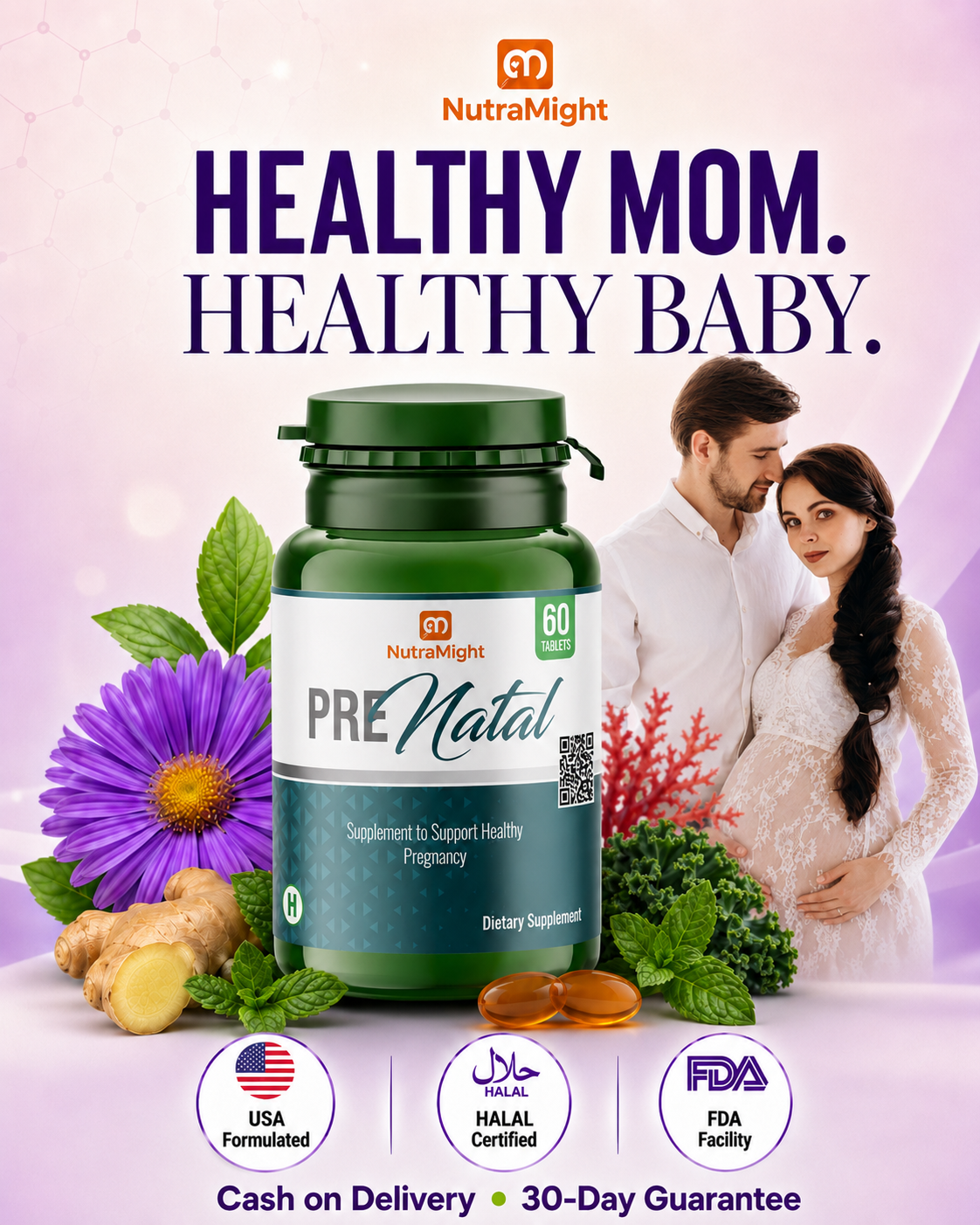
After extensive research into what Pakistani expecting mothers actually need, NutraMight Prenatal was formulated in the USA to deliver comprehensive nutrition without the common side effects.

What Makes It Different:

  • Complete formula — Folic acid, iron, calcium, DHA, Vitamin D, and 15+ essential nutrients in one daily serving
  • Gentle on the stomach — Designed to minimize nausea and constipation
  • USA-formulated & GMP certified — International quality standards you can trust
  • Affordable in PKR — No imported price markups or customs duties
  • Cash on Delivery — Order from anywhere in Pakistan without a credit card
  • Ships nationwide — Karachi, Lahore, Islamabad, Rawalpindi, Peshawar, Quetta, Multan, Faisalabad, and 100+ cities

👉 View NutraMight Prenatal details and pricing


Trimester-by-Trimester Nutrition Guide

First Trimester (Weeks 1-12)

Priority nutrients: Folic acid, Vitamin B6 (helps with nausea), iron

Pakistani diet tips: - Eat small, frequent meals — 5-6 times daily - Include daal, eggs, and green leafy vegetables (palak, methi) - Sip on fresh lemon water or ginger tea for nausea - Avoid raw/unpasteurized foods

Second Trimester (Weeks 13-26)

Priority nutrients: Calcium, Vitamin D, DHA, protein

Pakistani diet tips: - Add a glass of milk or lassi daily - Include fish once a week (if available and affordable) - Eat more fruits — especially bananas, oranges, and seasonal options - Continue NutraMight Prenatal daily without gaps

Third Trimester (Weeks 27-40)

Priority nutrients: Iron (blood volume peaks), calcium, fiber

Pakistani diet tips: - Increase iron-rich foods (liver, red meat, channay) - Stay hydrated — minimum 10 glasses of water - Eat fiber-rich foods to combat constipation (isabgol, whole grains) - Keep taking your prenatal supplement right up to delivery


The Real Cost of Skipping Prenatal Vitamins

Some families view supplements as an "extra expense." But consider the costs of deficiency:

  • Neural tube defects require lifelong medical care costing millions of PKR
  • Severe anemia during delivery increases emergency C-section risk
  • Calcium deficiency leads to pre-eclampsia — a life-threatening condition
  • Low birth weight babies face higher NICU costs and long-term health issues

Investing PKR 2,000-4,000 monthly in quality prenatal vitamins is one of the highest-return health decisions you can make for your family.


Frequently Asked Questions (FAQ)

Q1: Can I take prenatal vitamins if I'm not pregnant but planning to conceive?

Yes — in fact, doctors recommend starting best prenatal vitamins Pakistan has available at least 3 months before trying to conceive. Folic acid needs time to build up in your system, and adequate levels during the earliest weeks of pregnancy (before most women know they're expecting) are critical for preventing birth defects. NutraMight Prenatal is safe and beneficial for pre-conception use.

Q2: Are expensive imported prenatal vitamins better than local options?

Not necessarily. Price doesn't equal quality. What matters is the formula — the right nutrients in the right amounts with proper bioavailability. NutraMight Prenatal is USA-formulated with international-grade ingredients but priced affordably for Pakistani families. You get global quality without paying PKR 8,000-12,000 for imported brands.

Q3: My doctor prescribed a different prenatal supplement. Can I switch to NutraMight?

We always recommend discussing supplement changes with your gynecologist/obstetrician. Bring the NutraMight Prenatal ingredient list to your next appointment — most doctors appreciate patients who choose well-formulated, transparent supplements. If your doctor has prescribed a specific nutrient for a medical condition (like high-dose iron for severe anemia), follow their guidance alongside your prenatal.


Give Your Baby the Best Start

Every mother wants the healthiest possible start for her child. Choosing the best prenatal vitamins Pakistan has available isn't just about checking a box — it's about giving your baby the building blocks for a healthy brain, strong bones, and a robust immune system from day one.

👉 Order NutraMight Prenatal with Cash on Delivery — delivered nationwide across Pakistan.


NutraMight — USA-Formulated Supplements, Made Accessible for Pakistan.

How to Lose Weight Naturally in Pakistan — Complete 2026 Guide

Losing weight in Pakistan comes with its own unique set of challenges — from biryani at every family gathering to the cultural pressure of "khaana kha lo" at every visit. But here's the truth: learning how to lose weight naturally in Pakistan doesn't mean giving up your desi food or spending lakhs on imported diet plans that don't suit our lifestyle.

In this comprehensive 2026 guide, we'll share practical, research-backed strategies tailored specifically for Pakistani men and women who want to shed weight without starving, without extreme gym routines, and without breaking the bank.


Why Traditional Diets Fail in Pakistan

Before we talk solutions, let's address why most weight loss attempts fail here:

  • One-size-fits-all plans: Western keto or paleo diets ignore our staples (roti, rice, daal) and are unsustainable long-term.
  • All-or-nothing mentality: Going from heavy meals to a "salad-only" diet leads to bingeing within a week.
  • Social pressure: Refusing food at family gatherings is seen as rude, making portion control nearly impossible.
  • Lack of women-friendly fitness spaces: In many cities beyond Karachi, Lahore, and Islamabad, women's gyms are scarce or unaffordable (PKR 5,000-15,000/month).
  • Misinformation: WhatsApp forwards and unverified TikTok tips replace actual nutritional science.

Understanding how to lose weight naturally in Pakistan means working WITH our culture, not against it.


10 Proven Strategies to Lose Weight Naturally in Pakistan

1. Master Portion Control (Not Food Elimination)

You don't need to quit roti or rice. Simply reduce portions: - Use a smaller plate (9-inch instead of 12-inch) - Fill half your plate with salad/sabzi, quarter with protein, quarter with carbs - One roti instead of two — save approximately 150-180 calories per meal

2. Fix Your Chai Habit

The average Pakistani drinks 3-4 cups of doodh patti daily. Each cup with full-cream milk and 2 spoons of sugar adds 80-120 calories. That's up to 480 extra calories daily — just from chai!

Fix: Switch to green tea or limit doodh patti to 1 cup. Use low-fat milk and reduce sugar gradually.

3. Walk After Dinner — The Desi Secret

A 20-30 minute walk after dinner improves digestion, regulates blood sugar, and burns 100-150 calories. In cities like Lahore (Jilani Park), Islamabad (Margalla Trails), and Karachi (Sea View), evening walks are already part of the culture — make them consistent.

4. Eat More Protein at Every Meal

Protein keeps you full longer and prevents muscle loss during weight loss: - Breakfast: 2 eggs (anda) instead of just paratha - Lunch: Extra daal or chicken piece with less rice - Dinner: Grilled chicken, fish, or paneer - Snack: Roasted chana, Greek yogurt, or a handful of almonds

5. Hydrate Before Every Meal

Drinking 1-2 glasses of water 30 minutes before eating can reduce calorie intake by 20-25%. Most Pakistanis are chronically dehydrated, especially in summers. Aim for 8-10 glasses daily.

6. Cut the Refined Carbs (Maida)

White bread, naan, samosas, pakoras, and bakery items made with maida spike insulin and promote fat storage. Switch to: - Whole wheat roti (atta) - Brown rice (available at PKR 300-400/kg at most supermarkets) - Oats for breakfast

7. Sleep 7-8 Hours (Non-Negotiable)

Late-night scrolling is destroying your weight loss. Poor sleep increases ghrelin (hunger hormone) by up to 28% and makes you crave sugary, fried foods the next day. Fix your sleep schedule — it's free and powerful.

8. Add Metabolism-Boosting Supplements

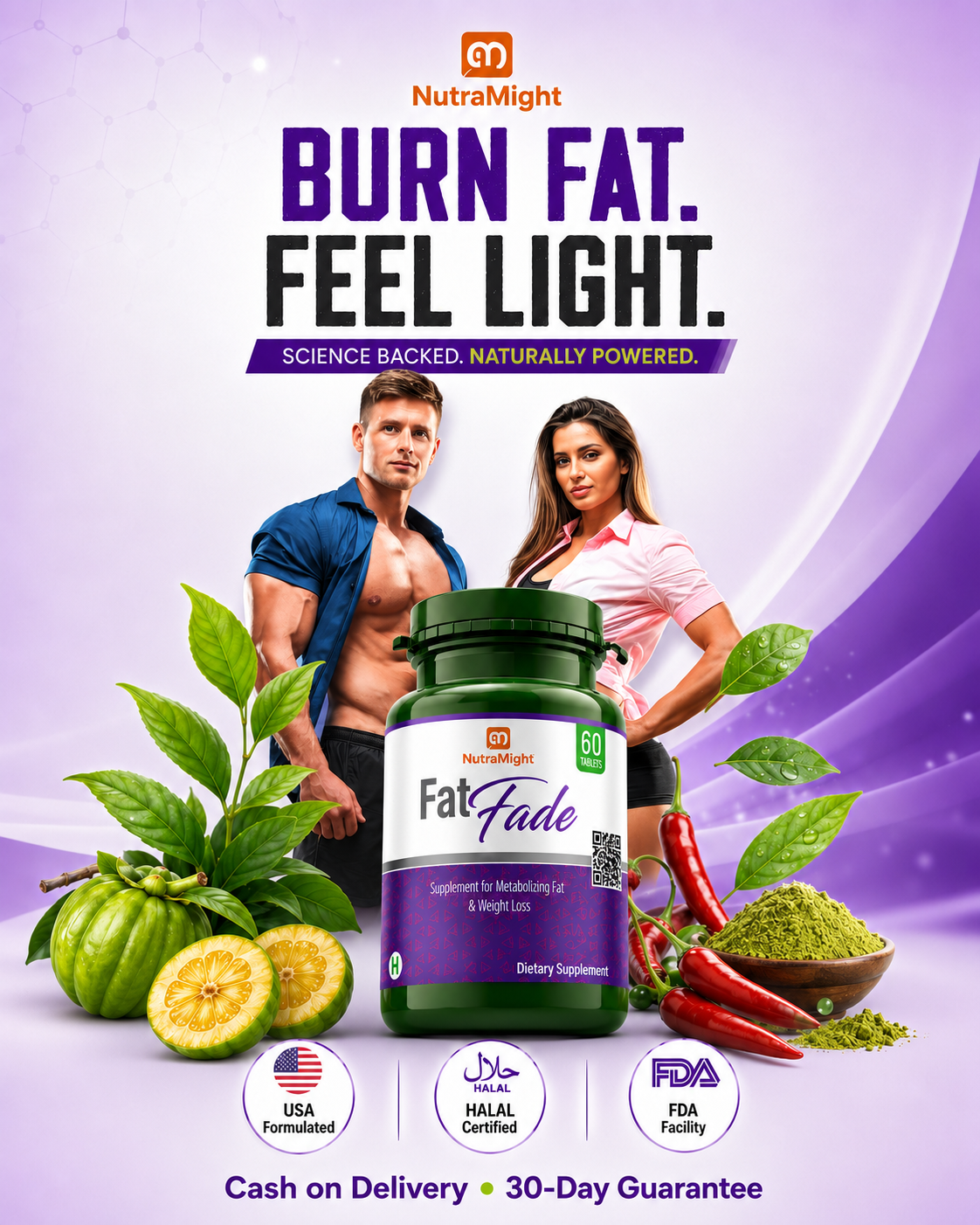
Sometimes your body needs extra support, especially if you've hit a plateau. This is where FatFade by NutraMight comes in — a USA-formulated natural weight management supplement designed to:

  • Boost your resting metabolism
  • Support fat oxidation during exercise
  • Reduce cravings naturally
  • Work alongside a balanced Pakistani diet

Unlike sketchy "slimming teas" flooding Instagram, FatFade is backed by science and manufactured to international standards.

9. Practice Intermittent Fasting (Roza-Style)

Many Pakistanis already practice fasting during Ramadan and see weight changes. A 16:8 intermittent fasting window (eat between 12 PM - 8 PM) mimics this naturally. Skip breakfast or have a late one, eat a proper lunch, and finish dinner by 8 PM.

10. Track Your Progress (Not Just Weight)

Weight fluctuates daily due to water retention. Instead, track: - Waist measurement (weekly) - How clothes fit - Energy levels - Before/after photos (monthly)


Sample Pakistani Weight Loss Meal Plan (1,500 Calories)

Meal Options Calories
Breakfast (8 AM) 2 boiled eggs + 1 whole wheat toast + green tea ~250
Snack (11 AM) 1 apple + 10 almonds ~150
Lunch (1 PM) 1 roti + chicken karahi (small portion) + salad ~450
Snack (4 PM) Roasted chana (1 cup) + black coffee ~150
Dinner (7 PM) Grilled fish + mixed sabzi + half cup brown rice ~400
Before bed Chamomile tea or warm water with lemon ~0-10

Total: ~1,400-1,500 calories — enough to lose 0.5-1 kg per week safely.


Why FatFade Is Pakistan's Smartest Weight Loss Supplement in 2026

If you're serious about understanding how to lose weight naturally in Pakistan and want to accelerate your results, FatFade deserves your attention.

Here's why thousands of Pakistanis are choosing it:

  • USA-formulated with clinically studied ingredients
  • No jitters or crashes — unlike caffeine-heavy fat burners
  • Works with your diet — not a replacement for food
  • Cash on Delivery across Pakistan — Karachi, Lahore, Islamabad, Faisalabad, Multan, Peshawar, and more
  • Affordable pricing in PKR — no hidden customs or import duties

👉 Learn more about FatFade here


Common Mistakes to Avoid

  • Starving yourself: Eating under 1,000 calories slows metabolism and causes muscle loss.
  • Relying only on supplements: FatFade works best WITH a healthy diet and movement — it's not a magic pill.
  • Skipping meals then bingeing at dinner: This trains your body to store fat.
  • Following random social media advice: Stick to evidence-based strategies.

Frequently Asked Questions (FAQ)

Q1: Can I lose weight without going to the gym in Pakistan?

Absolutely! Walking 30-45 minutes daily, home bodyweight exercises (squats, lunges, planks), and YouTube workout videos are free and effective. Combine this with portion control and proper nutrition to see results within 4-6 weeks. Adding FatFade can further support your metabolism during home workouts.

Q2: How much weight can I lose per month naturally?

A safe and sustainable rate is 2-4 kg per month. Anyone promising 10+ kg in a month is either promoting something dangerous or lying. Slow loss means permanent loss — crash diets always lead to rebound weight gain.

Q3: Is FatFade safe for women with PCOS or thyroid issues?

FatFade is made with natural ingredients and is generally safe. However, if you have PCOS, hypothyroidism, or are on medication, we recommend consulting your doctor before starting any new supplement. FatFade is not a medicine — it's a nutritional support that works alongside medical treatment.


Start Your Weight Loss Journey Today

Learning how to lose weight naturally in Pakistan is the first step. Taking action is the second. You don't need expensive imported foods, a fancy gym membership, or a celebrity dietician. You need consistency, the right information, and smart supplementation.

👉 Order FatFade with Cash on Delivery and give your metabolism the boost it deserves.


NutraMight — USA-Formulated Supplements, Made Accessible for Pakistan.

10 Signs of Iron Deficiency Every Pakistani Woman Should Know

Iron deficiency is one of the most common nutritional problems in Pakistan, yet millions of women dismiss its warning signs as "normal tiredness." According to health surveys, nearly 50-60% of Pakistani women suffer from some form of anemia, with iron deficiency being the leading cause. Whether you're a working professional in Karachi, a homemaker in Lahore, or a student in Islamabad — understanding iron deficiency symptoms in Pakistan could be the first step toward reclaiming your health and energy.

In this guide, we'll walk you through 10 critical signs your body may be screaming for iron, why Pakistani women are especially vulnerable, and what you can do about it today.


Why Is Iron Deficiency So Common in Pakistani Women?

Before we dive into the symptoms, let's understand why iron deficiency symptoms in Pakistan are so widespread:

  • Dietary habits: Traditional Pakistani diets, while rich in flavor, often rely heavily on chai (tea) consumed with meals — which blocks iron absorption by up to 60%.
  • Limited meat intake: Many households, especially in rural Punjab and Sindh, consume meat infrequently due to rising costs (with mutton crossing PKR 2,500/kg in most cities).
  • Frequent pregnancies: Short gaps between pregnancies deplete iron stores without giving the body time to recover.
  • Lack of awareness: Many women attribute their fatigue to household workload or hot weather rather than recognizing it as a medical issue.

10 Warning Signs of Iron Deficiency You Shouldn't Ignore

1. Constant Fatigue and Low Energy

This is the #1 complaint. If you feel exhausted even after a full night's sleep, your body may not be producing enough hemoglobin to carry oxygen to your cells. This isn't just "laziness" — it's your body running on empty.

2. Pale Skin, Nails, and Inner Eyelids

Pull down your lower eyelid. If the inside looks pale or whitish instead of a healthy red, this is a classic indicator. Many women in Lahore and Karachi visit dermatologists for "dull skin" when the real problem is low iron.

3. Shortness of Breath During Normal Activities

Walking up a flight of stairs or doing household chores shouldn't leave you gasping. When hemoglobin is low, your lungs compensate by working harder — causing breathlessness.

4. Frequent Headaches and Dizziness

Iron-deficient blood delivers less oxygen to the brain, triggering headaches — especially upon standing. Many women self-medicate with Panadol without addressing the root cause.

5. Heart Palpitations

Feeling your heart pound or flutter? Your heart works overtime to circulate oxygen-poor blood. Over time, this can strain your cardiovascular system.

6. Brittle Nails That Break Easily

Spoon-shaped or brittle nails (koilonychia) are a textbook sign. If your nails crack, chip, or curve inward, iron deficiency is a likely culprit.

7. Cold Hands and Feet

Even in Multan's 45°C summers, some women have ice-cold extremities. Poor oxygen delivery means poor circulation to your hands and feet.

8. Unusual Cravings (Pica)

Craving ice, clay, chalk, or even raw rice? This strange condition called "pica" is strongly linked to iron deficiency and is reported frequently among women in rural Sindh and Southern Punjab.

9. Swollen or Sore Tongue

A pale, smooth, or swollen tongue can indicate low iron levels. Some women also experience cracks at the corners of their mouth (angular cheilitis).

10. Frequent Infections and Slow Healing

Iron plays a key role in immune function. If you catch every cold that goes around or your wounds take forever to heal, your iron levels deserve investigation.


What to Do If You Recognize These Symptoms

If 3 or more of these signs sound familiar, here's your action plan:

Step 1: Get a CBC Test

Visit any lab in your city — a Complete Blood Count (CBC) costs between PKR 500-1,000 in most labs across Karachi, Lahore, Islamabad, and Peshawar. Ask specifically about your hemoglobin and ferritin levels.

Step 2: Improve Your Diet

Include iron-rich foods like: - Red meat and chicken liver (best absorbed form of iron) - Spinach (palak), lentils (daal), and chickpeas (channay) - Pair iron-rich foods with Vitamin C (lemon, amla) to boost absorption - Avoid drinking chai within 1 hour of meals

Step 3: Choose the Right Supplement

Not all iron supplements are equal. Many cause constipation, nausea, or an upset stomach — leading women to quit within days. That's exactly why HemoBoost by NutraMight was formulated differently.


Why Pakistani Women Are Choosing HemoBoost

HemoBoost is a USA-formulated iron supplement designed specifically for better absorption and fewer side effects. Here's what makes it different:

  • Gentle on the stomach — no nausea or constipation
  • Enhanced with Vitamin C and Folic Acid for maximum absorption
  • USA-formulated quality at an affordable Pakistani price
  • Cash on Delivery available across Pakistan — no credit card needed
  • Ships to Karachi, Lahore, Islamabad, Rawalpindi, Faisalabad, Multan, Peshawar, and 100+ cities

If you've tried iron tablets before and quit because of side effects, HemoBoost is worth a second chance.


Understanding Iron Deficiency Symptoms in Pakistan: The Bigger Picture

The reason iron deficiency symptoms in Pakistan go undiagnosed for so long is cultural. Women are taught to push through discomfort, prioritize family over personal health, and dismiss fatigue as part of life. But chronic iron deficiency doesn't just make you tired — it affects your mental health, your productivity, your relationships, and even your children's development during pregnancy.

Recognizing these iron deficiency symptoms in Pakistan isn't about being dramatic — it's about taking ownership of your well-being.


Frequently Asked Questions (FAQ)

Q1: How long does it take to recover from iron deficiency with supplements?

Most women notice improved energy within 2-4 weeks of consistent supplementation. However, fully replenishing iron stores typically takes 3-6 months. With HemoBoost, the enhanced absorption formula helps you feel results faster without the harsh side effects of traditional iron tablets.

Q2: Can I take iron supplements without a doctor's prescription in Pakistan?

Yes, iron supplements like HemoBoost are available without a prescription. However, if your hemoglobin is below 8 g/dL, we recommend consulting a doctor as you may need additional medical intervention alongside supplementation.

Q3: Is iron deficiency more common in certain areas of Pakistan?

Yes, iron deficiency rates are highest in rural Sindh, Balochistan, and Southern Punjab — where dietary diversity is limited and access to healthcare is scarce. However, urban women in Karachi, Lahore, and Islamabad are also affected due to poor dietary habits like excessive chai consumption and reliance on processed foods.


Take Action Today

Don't let iron deficiency steal another day of your energy and happiness. Recognize the signs, get tested, and give your body what it needs.

👉 Order HemoBoost now with Cash on Delivery — delivered to your doorstep anywhere in Pakistan.


NutraMight — USA-Formulated Supplements, Made Accessible for Pakistan.

Complete Guide to Blood Tests for Pakistanis

Complete Guide to Blood Tests for Pakistanis

Blood tests are the most powerful tool for understanding your health — yet most Pakistanis only get them when they're already sick. Regular testing can catch problems early, guide your nutrition, and help you make informed supplement choices. This guide explains which tests you need, what results mean, and where to get them done affordably.

Essential Blood Tests Everyone Should Get Annually

1. Complete Blood Count (CBC) — Rs. 300-800

The most basic and important test. Measures:

  • Hemoglobin (Hb): Oxygen-carrying capacity. Low = anemia.
  • RBC count: Number of red blood cells
  • WBC count: Immune cell numbers. High = infection/inflammation
  • Platelets: Blood clotting ability
  • MCV/MCH: Size and hemoglobin content of red cells (helps determine anemia type)

If your hemoglobin is low, HemoBoost can help restore levels. Retest after 8-12 weeks to track progress.

2. Iron Panel — Rs. 1500-3000

  • Serum Ferritin: Iron stores. Can be low even when Hb appears normal (hidden deficiency)
  • Serum Iron: Iron currently in blood
  • TIBC: How well your blood can carry iron

3. Vitamin D — Rs. 2000-4000

Over 80% of Pakistanis are deficient. Optimal: 40-60 ng/mL. Most people need 2000-5000 IU daily supplementation.

4. Vitamin B12 — Rs. 1500-2500

Commonly deficient in Pakistan. Normal: above 300 pg/mL. Below 200 = definite deficiency.

5. Lipid Profile (Cholesterol) — Rs. 800-1500

  • Total cholesterol, LDL (bad), HDL (good), triglycerides
  • Essential for heart disease risk assessment
  • Start testing from age 20 (South Asians get heart disease younger)

6. Fasting Blood Sugar & HbA1c — Rs. 500-1500

Pakistan has the 3rd highest diabetes rate globally. Screen annually from age 25:

  • Fasting glucose: Normal below 100 mg/dL
  • HbA1c: Normal below 5.7%

7. Thyroid (TSH) — Rs. 800-1500

Thyroid disorders are extremely common in Pakistani women. Affects weight, energy, hair, mood. TSH normal range: 0.4-4.0 mIU/L.

Additional Tests for Specific Groups

  • Pregnant women: All above + folate, urine routine, glucose tolerance test
  • Women trying to conceive: CBC, ferritin, vitamin D, thyroid, folate
  • Weight loss seekers: Thyroid, insulin, lipid profile, vitamin D
  • Fatigue sufferers: CBC, ferritin, B12, vitamin D, thyroid

Where to Get Tested in Pakistan

Reliable lab chains across Pakistan:

  • Chughtai Lab: Punjab/nationwide — reliable and affordable
  • Aga Khan Lab: All major cities — gold standard
  • Excel Labs: Punjab — good quality
  • Dr. Essa Lab: Sindh — widely available
  • IDC/Islamabad Diagnostic Center: Islamabad/Rawalpindi

Many labs offer home sample collection and online result delivery. Full panel packages cost Rs. 5000-15000 depending on tests included.

Using Results to Guide Supplementation

FAQs

Do I need to fast before blood tests?

For lipid profile and fasting glucose: yes, fast 8-12 hours (water is okay). For CBC, B12, vitamin D, ferritin, and thyroid: fasting is NOT required. Always confirm with your lab.

How often should I get blood tests done?

Healthy adults: annually. People with known deficiencies or chronic conditions: every 3-6 months until levels normalize, then annually. Pregnant women: as per gynecologist's schedule (usually each trimester).

Can I order blood tests without a doctor's referral in Pakistan?

Yes. In Pakistan, you can walk into any lab and request tests without a prescription. However, having a doctor interpret results and guide treatment is recommended, especially for abnormal findings.

Supplements vs Medicines: Understanding the Difference

Supplements vs Medicines: Understanding the Difference

In Pakistan, there's often confusion between dietary supplements and medicines. Some people treat supplements like drugs, expecting immediate cure-like effects. Others avoid them entirely, thinking they're "just vitamins" with no real benefit. Understanding the true difference helps you use both appropriately for optimal health.

Key Differences Between Supplements and Medicines

Purpose

  • Supplements: Fill nutritional gaps, support body functions, prevent deficiencies, optimize health
  • Medicines: Treat, cure, or manage specific diseases and conditions

How They Work

  • Supplements: Provide nutrients your body needs to function optimally. Work gradually by restoring what's missing.
  • Medicines: Contain pharmacological compounds that alter biological processes. Often work quickly with targeted mechanisms.

Regulation

  • Supplements: Regulated as food products. Must be safe and accurately labeled. Cannot claim to treat/cure disease.
  • Medicines: Require clinical trials, prescription (in many cases), and DRAP approval in Pakistan.

Side Effects

  • Supplements: Generally fewer side effects at recommended doses. Risk primarily from mega-dosing or poor quality.
  • Medicines: Often have significant side effects that must be weighed against benefits.

When You Need Supplements

  • Your diet doesn't meet all nutritional requirements (very common in Pakistan)
  • You have increased needs (pregnancy, breastfeeding, intense exercise)
  • Blood tests show deficiency or insufficiency
  • You want to optimize health and prevent future disease
  • Your condition is nutrition-related (mild anemia, low energy from deficiency)

For example, HemoBoost addresses iron deficiency — a nutritional problem, not a disease. NutraMight Prenatal ensures adequate nutrition during pregnancy's increased demands. FatFade supports metabolic function with natural compounds.

When You Need Medicine

  • You have a diagnosed disease (diabetes, hypertension, infection)
  • Severe conditions that require pharmaceutical intervention
  • Acute symptoms needing immediate relief (pain, fever, allergic reaction)
  • Conditions that supplements cannot address alone

Can Supplements and Medicines Work Together?

Yes, often they complement each other:

  • Metformin (diabetes medicine) depletes B12 → B12 supplement helps
  • Blood pressure medicine + CoQ10 supplement for heart health
  • Pregnancy medication + prenatal vitamins
  • Anemia treatment with both prescribed iron AND dietary iron support

Always inform your doctor about supplements you take, and never replace prescribed medication with supplements without medical guidance.

Red Flags: When Supplement Claims Cross the Line

  • "Cures diabetes/cancer/heart disease" — supplements cannot cure disease
  • "Replaces your medication" — dangerous and false
  • "100% guaranteed results" — no honest product guarantees outcomes
  • "Secret formula" — quality brands list all ingredients transparently

FAQs

Do I need a prescription to buy supplements in Pakistan?

No. Dietary supplements like NutraMight products are available without prescription. They can be purchased online with Cash on Delivery or from authorized retailers. However, getting blood tests to confirm deficiencies before supplementing is smart practice.

Can supplements interfere with my medicines?

Some can. Iron supplements reduce absorption of certain antibiotics and thyroid medications (take 2+ hours apart). Vitamin K affects blood thinners. Always tell your doctor about supplements you're taking.

Are supplements regulated in Pakistan?

Pakistan's DRAP oversees health products, but enforcement varies. This is why choosing brands with international quality standards (like NutraMight's USA-formulated products with GMP certification) provides an extra layer of quality assurance beyond local regulation.

How Stress Affects Weight Gain in Pakistan

How Stress Affects Weight Gain in Pakistan

Pakistan's demanding work culture, economic pressures, traffic, family responsibilities, and social expectations create a perfect storm of chronic stress. What many don't realize is that this stress directly contributes to weight gain — especially belly fat — through biological mechanisms that willpower alone cannot overcome. Understanding the stress-weight connection is the first step to breaking the cycle.

The Cortisol-Weight Connection

When you're stressed, your adrenal glands release cortisol — the "stress hormone." Short-term cortisol is useful (fight-or-flight response), but chronic elevation causes:

  • Increased appetite: Cortisol stimulates hunger, especially for high-calorie comfort foods
  • Fat storage in the abdomen: Cortisol specifically directs fat to visceral (belly) storage
  • Insulin resistance: Chronic stress makes your cells less responsive to insulin, promoting fat storage
  • Muscle breakdown: Cortisol breaks down muscle for energy, slowing metabolism
  • Sleep disruption: Stress ruins sleep, which further increases hunger hormones
  • Reduced motivation to exercise: Exhaustion from stress kills workout motivation

Common Stress Patterns in Pakistani Life

  • Long work hours with job insecurity
  • Financial pressures (loans, inflation, family support)
  • Traffic stress (hours of daily commuting in major cities)
  • Family conflicts and social obligations
  • Academic pressure on students
  • Health anxiety without proper medical access
  • Social media comparison and FOMO

Breaking the Stress-Weight Cycle

1. Identify Your Stress Eating Triggers

Notice when you eat without physical hunger. Is it after a stressful meeting? During family arguments? While scrolling social media? Awareness is the first step to change.

2. Replace Stress Eating with Better Coping

  • 5-minute deep breathing when stress hits
  • Short walk outside (even 10 minutes helps)
  • Call a friend instead of reaching for food
  • Keep hands busy (prayer beads, journaling)
  • Drink water or green tea before deciding to eat

3. Prioritize Sleep

7-8 hours of quality sleep reduces cortisol by up to 50%. Create a bedtime routine: no screens 30 minutes before bed, consistent sleep time, cool dark room.

4. Exercise as Stress Medicine

Regular moderate exercise is one of the most effective cortisol reducers. You don't need intense workouts — a daily 30-minute walk significantly lowers stress hormones.

5. Support Your Body's Stress Response

When stress is high, your body burns through nutrients faster. Ensure adequate B vitamins, magnesium, and iron (stress depletes all three). FatFade by NutraMight supports metabolic function during stressful periods, helping prevent stress-related metabolic slowdown that leads to weight gain.

When to Seek Help

If stress feels unmanageable, you're eating uncontrollably, or experiencing anxiety/depression symptoms, seek professional help. Mental health support is available in Pakistan through platforms like Rozan, Umang helpline, and private therapists.

FAQs

Can stress cause weight gain even if I'm eating the same amount?

Yes! Elevated cortisol changes how your body processes calories — storing more as fat, especially belly fat — even without eating more. This is why stressed people often gain weight despite not overeating.

Does stress also cause weight loss in some people?

Yes. Acute stress can suppress appetite in some individuals. However, chronic, ongoing stress typically leads to weight gain. The response varies by individual, but long-term stress almost always has negative metabolic effects.

Will losing weight reduce my stress?

Exercise and better nutrition (part of weight loss) do reduce stress. However, address the root causes of stress alongside weight management for best results. Products like FatFade support the metabolic side while you work on lifestyle stress management.

Essential Nutrients for Breastfeeding Mothers

Essential Nutrients for Breastfeeding Mothers

Breastfeeding is one of the most nutritionally demanding things your body can do — even more demanding than pregnancy itself. You're producing 750-1000ml of milk daily, each milliliter packed with nutrients drawn from YOUR body. If your nutrient intake doesn't keep up, your body depletes its own stores, leaving you exhausted, deficient, and unwell.

Increased Nutrient Needs During Breastfeeding

Compared to non-pregnant, non-lactating women, breastfeeding mothers need:

  • 500 extra calories daily (more than pregnancy's 300 extra)
  • 50% more Vitamin A
  • 50% more Vitamin C
  • Continued high iron to replenish stores depleted during pregnancy/delivery
  • 1000mg calcium daily
  • Higher B vitamins for energy and milk production
  • DHA/Omega-3 for baby's brain development through milk

Top Nutrients and Their Best Sources

Iron

You lost blood during delivery and need to rebuild. Symptoms of postpartum iron deficiency include extreme fatigue, low milk supply, brain fog, and hair fall. HemoBoost by NutraMight provides gentle, effective iron supplementation specifically suited for breastfeeding mothers who can't tolerate harsh iron formulas.

Calcium

Your baby takes 200-300mg calcium from your breast milk daily. Without adequate intake, this comes from YOUR bones, increasing osteoporosis risk later. Sources: milk (3-4 glasses), yogurt, paneer, almonds.

DHA (Omega-3)

Critical for your baby's brain and eye development in the first year. The DHA content of your milk directly reflects your intake. Eat fatty fish 2x weekly or take a supplement.

Vitamin D

Breast milk is typically low in Vitamin D. Supplementation (2000-4000 IU daily) ensures both you and your breastfed baby get enough. Most Pakistani women are already Vitamin D deficient.

Iodine

Essential for your baby's thyroid and brain development. Use iodized salt in cooking and eat eggs/dairy.

Foods to Focus On

  • Breakfast: Eggs + whole wheat roti + glass of milk
  • Lunch: Daal/chicken + rice + yogurt + green vegetables
  • Snacks: Dry fruits (badam, akhrot, khajoor), fruit, panjiri
  • Dinner: Fish/meat + roti + salad
  • Before bed: Warm milk with turmeric

Continuing Supplements While Breastfeeding

Don't stop your prenatal vitamin after delivery! NutraMight Prenatal is designed for the entire pregnancy AND breastfeeding period. It provides comprehensive nutrition including folate, iron, DHA, and vitamins your body needs to produce nutrient-rich milk while maintaining your own health. For additional iron support (especially if you lost significant blood during delivery), add HemoBoost.

FAQs

Will taking supplements affect my breast milk taste?

No, quality supplements like NutraMight products don't affect milk taste. In fact, they improve milk nutritional quality, benefiting your baby.

Can I diet while breastfeeding to lose pregnancy weight?

Moderate calorie reduction (300-500 below maintenance) is safe after 6-8 weeks postpartum and won't affect milk supply. Never go below 1800 calories while exclusively breastfeeding. Severe dieting can reduce milk production and deplete your nutrients further.

How long should I continue prenatal vitamins after delivery?

Continue NutraMight Prenatal for the entire duration of breastfeeding (WHO recommends breastfeeding for 2 years). At minimum, continue for 6 months while exclusively breastfeeding.

The Truth About Fat Burners: What Science Says

The Truth About Fat Burners: What Science Says

Fat burners are one of the most popular supplement categories in Pakistan, yet also the most misunderstood. Social media is full of unrealistic claims, while skeptics dismiss them entirely. The truth, as always, lies in between. Let's look at what science actually says about fat burning supplements — no hype, no myths.

What Are Fat Burners?

Fat burners are supplements containing ingredients that aim to:

  • Increase metabolic rate (burn more calories at rest)
  • Enhance fat oxidation (use fat for fuel preferentially)
  • Reduce appetite (make it easier to eat less)
  • Block fat absorption (reduce calories absorbed from food)
  • Increase energy expenditure during exercise

Ingredients That Actually Have Scientific Support

Strong Evidence

  • Caffeine: Increases metabolic rate 3-11%, enhances fat oxidation by 10-29%. The most proven thermogenic ingredient.
  • Green Tea Extract (EGCG): Boosts metabolism 3-8%, targets abdominal fat specifically. Works synergistically with caffeine.
  • Protein (as appetite suppressant): High thermic effect, reduces hunger significantly.

Moderate Evidence

  • Capsaicin (from chili peppers): Increases thermogenesis, modest fat loss support
  • L-Carnitine: Helps transport fatty acids for burning, benefits increase with exercise
  • CLA (Conjugated Linoleic Acid): Small but consistent fat loss effects in studies

Weak or No Evidence

  • Garcinia Cambogia — hype far exceeds results
  • Raspberry Ketones — works in test tubes, not humans
  • "Detox" teas — mostly laxatives causing water loss
  • Spot-reduction creams — complete myth

What Fat Burners Can and Cannot Do

They CAN:

  • Increase your daily calorie burn by 50-200 calories
  • Make your existing diet and exercise more effective
  • Provide energy for workouts when calories are reduced
  • Help overcome plateaus in weight loss
  • Support thermogenesis and fat mobilization

They CANNOT:

  • Make you lose weight without a calorie deficit
  • Target specific body areas (spot reduction)
  • Replace proper diet and exercise
  • Produce dramatic results overnight
  • Work permanently without lifestyle changes

Choosing a Safe, Effective Fat Burner in Pakistan

The Pakistani market is flooded with dubious products — some containing undeclared pharmaceuticals. Choose supplements that:

  • List all ingredients with exact amounts (no "proprietary blends")
  • Use research-backed ingredients at effective doses
  • Are manufactured in regulated facilities (USA GMP-certified)
  • Don't make impossible claims

FatFade by NutraMight meets all these criteria. It combines caffeine, green tea extract, and proven thermogenic ingredients at research-backed doses. USA-formulated with full label transparency, it's designed to enhance your weight loss efforts — not replace them. Available with Cash on Delivery across Pakistan.

FAQs

Are fat burners safe?

Quality fat burners with proven ingredients (like FatFade) are safe for most healthy adults. Avoid products with undisclosed ingredients, extreme stimulant doses, or unrealistic claims. People with heart conditions, high BP, or anxiety should consult a doctor first.

How much weight can fat burners help me lose?

Realistically, a good fat burner adds 0.5-1 kg extra fat loss per month on top of diet and exercise. That's 6-12 extra kg per year — significant when compounded, but not miraculous. Expect enhanced results, not magic.

Can I take fat burners long-term?

Cycle them: 8-12 weeks on, 2-4 weeks off. This prevents tolerance buildup and maintains effectiveness. During off-weeks, focus on diet and exercise alone, then resume for continued benefits.

How to Manage Weight During Ramadan

How to Manage Weight During Ramadan

Every Ramadan, millions of Pakistanis face the same frustration: despite fasting all day, they gain weight by Eid. It seems counterintuitive, but the combination of calorie-dense iftar foods, reduced physical activity, and disrupted sleep patterns often leads to weight gain. Here's how to use Ramadan as an opportunity for health, not a setback.

Why People Gain Weight During Ramadan

  • Overeating at iftar: Breaking fast with excessive fried food, sweets, and large portions
  • Calorie-dense traditional foods: Pakoras, samosas, fruit chaat with cream, chana chaat with papri
  • Reduced activity: Sleeping more, moving less, skipping exercise
  • Late-night eating: Continuous snacking between iftar and suhoor
  • Sugary drinks: Rooh Afza, juices, lassi with sugar
  • Metabolic slowdown: Very long fasts without proper nutrition can slow metabolism

Strategies for Weight Management in Ramadan

Iftar: Break the Fast Right

  • Start with dates and water (sunnah and scientifically perfect — quick energy without overeating)
  • Pray Maghrib before main meal — gives your brain time to register the dates
  • Eat a balanced plate: ¼ protein, ¼ complex carbs, ½ vegetables/salad
  • Limit fried items to 2-3 pieces maximum, not a full plate
  • Choose grilled/baked options over deep-fried

Suhoor: Fuel for the Day

  • Never skip suhoor — it maintains metabolism and energy
  • Include slow-release carbs: oats, whole wheat roti, brown bread
  • Add protein: eggs, yogurt, cheese — keeps you full longer
  • Include healthy fats: almonds, peanut butter — sustained energy
  • Drink 2-3 glasses of water
  • Take your supplements: HemoBoost and FatFade at suhoor time

Stay Active

  • Walk for 20-30 minutes after iftar (after food settles, before taraweeh)
  • Taraweeh prayers themselves provide light physical activity
  • Light home exercises 1-2 hours before iftar can boost fat burning
  • Don't sleep all day — maintain normal activities as much as possible

Supplements During Ramadan

Ramadan is NOT the time to stop supplements — nutrient needs don't pause because you're fasting. Here's how to schedule them:

  • At Suhoor: Iron supplement (HemoBoost) with vitamin C-rich fruit, metabolic support (FatFade)
  • At Iftar: Prenatal vitamins (NutraMight Prenatal) with main meal, multivitamins, calcium

Sample Ramadan Day for Weight Management

  • Suhoor (4:00 AM): 2 eggs + whole wheat roti + yogurt + water + supplements
  • Iftar (6:45 PM): 3 dates + water → Maghrib → Grilled chicken + salad + small portion rice + 1 samosa
  • Post-Taraweeh snack (9:30 PM): Fruit + handful of nuts + green tea
  • Before bed: Glass of milk

FAQs

Can I exercise while fasting in Ramadan?

Yes, but timing matters. Light exercise (walking, stretching) is fine anytime. Intense exercise is best done 1-2 hours before iftar so you can hydrate and eat soon after. Avoid heavy workouts in the middle of the fasting day.

How much water should I drink in Ramadan?

Aim for 8-10 glasses between iftar and suhoor. Don't try to drink it all at once. Sip consistently throughout the non-fasting hours. Limit caffeine which increases dehydration.

Is it okay to diet during Ramadan?

Don't "diet" in the traditional sense, but you can use Ramadan's natural fasting structure for weight management by making smart food choices. The built-in intermittent fasting already supports fat burning — just don't undo it with excessive iftar eating.

Back to Top
Add to cart
Product has been added to your cart
Privacy PolicyRefund PolicyContact UsFAQInstagram