


Search

Cep telefonundan hızlı erişim için bettilt seçiliyor.

Intermittent Fasting and Supplements: What Works Together

Intermittent Fasting and Supplements: What Works Together

Intermittent fasting (IF) has become hugely popular in Pakistan — whether it's the 16:8 method, one meal a day (OMAD), or the natural fast during Ramadan. But a common question arises: when and how should you take supplements while fasting? Will they break your fast? Here's your complete guide.

Understanding Intermittent Fasting Basics

Popular IF protocols include:

  • 16:8: Eat within an 8-hour window, fast for 16 hours (e.g., eat 12 PM - 8 PM)
  • 18:6: More restrictive, 6-hour eating window
  • 5:2: Normal eating 5 days, very low calories 2 days
  • OMAD: One meal a day
  • Ramadan fasting: Dawn to sunset (approximately 14-16 hours)

Which Supplements Break a Fast?

Won't Break Your Fast (Safe During Fasting Window)

  • Water-soluble vitamins in capsule form (minimal calories)
  • Electrolytes without sugar
  • Black coffee and plain green tea
  • Most single-ingredient supplements in small capsules

May Break Your Fast (Take During Eating Window)

  • Fat-soluble vitamins (A, D, E, K) — need fat for absorption
  • Iron supplements — better absorbed with vitamin C/food
  • Protein powders and BCAAs (contain calories)
  • Fish oil/Omega-3 capsules (contain calories from fat)
  • Gummy vitamins (contain sugar)
  • Any supplement that requires food for absorption or stomach comfort

Optimal Supplement Timing with IF

With Your First Meal (Breaking the Fast)

  • HemoBoost (iron) — take 30 minutes before first meal with lemon water for best absorption, OR with first meal if stomach-sensitive
  • Prenatal vitamins — take with first meal for complete absorption of all nutrients
  • Fat-soluble vitamins — need dietary fat present

With Your Morning Routine (Fasting Window)

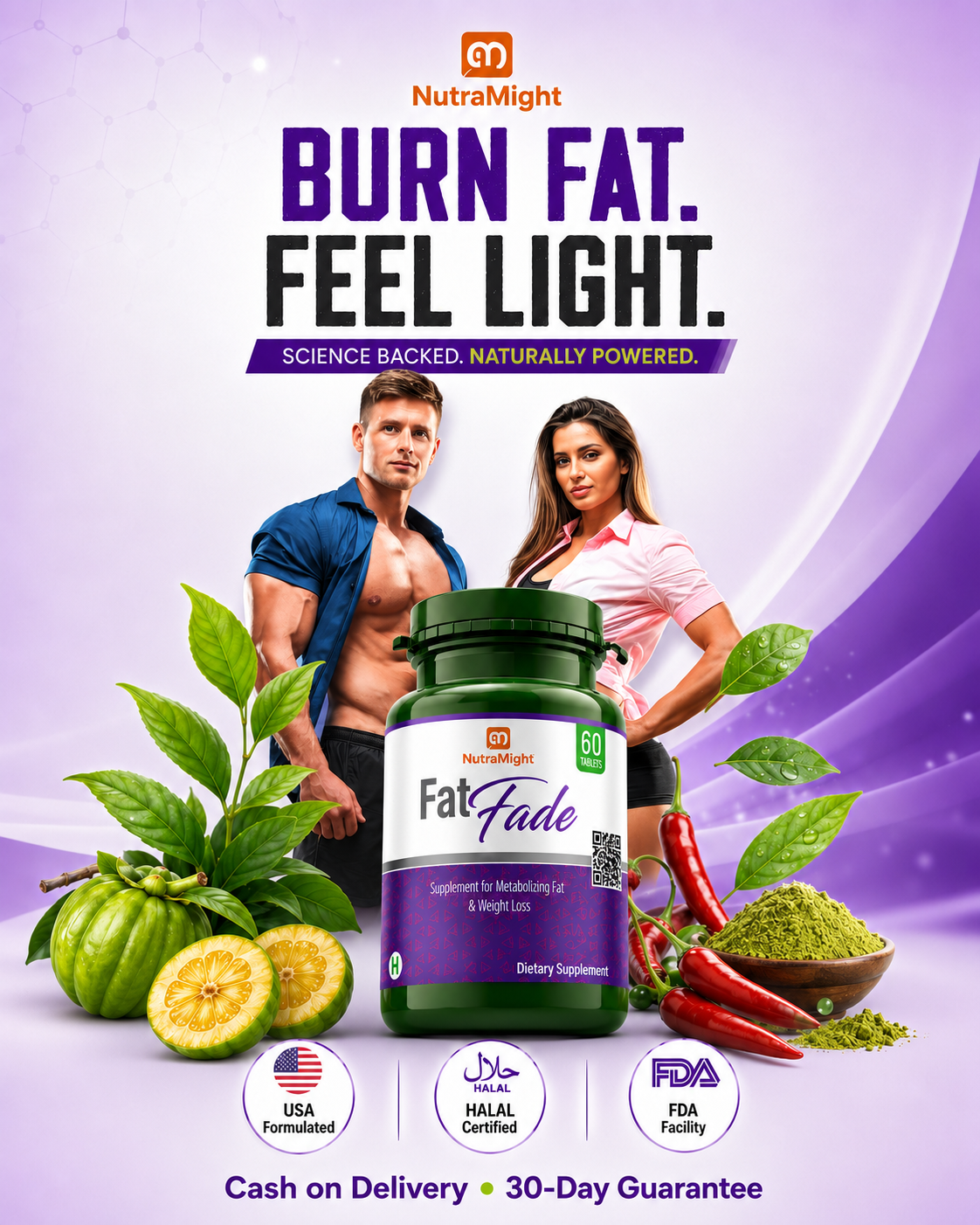
  • FatFade — can be taken during fasting window as it enhances fat burning during the fast. The minimal calories in capsule form don't meaningfully break a fast, and the thermogenic effect is maximized in a fasted state.

Benefits of Combining IF with Supplements

  • Enhanced fat burning: Fasting + metabolic support (FatFade) = amplified results
  • Nutrient insurance: Eating less food means fewer chances to get all nutrients — supplements fill gaps
  • Maintained energy: B vitamins and iron prevent fatigue that sometimes accompanies IF
  • Muscle preservation: Proper nutrition during eating window + supplements protects lean mass

Common IF + Supplement Mistakes

  • Taking iron with chai at iftar (blocks absorption completely)
  • Forgetting supplements because your routine is disrupted
  • Taking everything at once when you could space them out during eating window
  • Not adjusting supplement timing when switching between IF and normal eating

FAQs

Can I take supplements during Ramadan fasting hours?

During Ramadan, take all supplements either at suhoor (pre-dawn meal) or iftar (breaking fast). Nothing should be consumed during fasting hours. Take iron at suhoor with water, and prenatal/other vitamins at iftar with food.

Will taking supplements with water break my intermittent fast?

A small capsule with water contains negligible calories (1-5 kcal) and won't meaningfully break your fast or stop autophagy. However, for purists, simply take supplements during your eating window.

Is intermittent fasting safe for women?

Most women do well with 14-16 hour fasts. Very extended fasting (20+ hours) may disrupt hormones in some women. Start conservatively, monitor your cycle, and stop if you notice irregularities. Pregnant/breastfeeding women should not practice IF.

Anemia in Children: What Parents Need to Know

Anemia in Children: What Parents Need to Know

Anemia affects an estimated 62% of Pakistani children under five — one of the highest rates globally. This isn't just about pale skin or tiredness; childhood anemia can impair brain development, reduce school performance, weaken immunity, and have lifelong consequences. As a parent, recognizing and addressing this early is critical.

What Causes Anemia in Pakistani Children?

  • Iron-deficient diet: Over-reliance on milk and roti without iron-rich foods
  • Excessive milk consumption: More than 500ml daily interferes with iron absorption
  • Parasitic infections: Worms are common and cause chronic blood loss
  • Late introduction of solid foods: Continuing only breastmilk beyond 6 months without complementary foods
  • Repeated infections: Diarrhea and respiratory illnesses deplete nutrients
  • Maternal anemia: Babies born to anemic mothers start life with low iron stores

Signs of Anemia in Children

Watch for these warning signs in your child:

  • Pale skin, especially palms, nail beds, and inner eyelids
  • Unusual tiredness or low energy compared to peers
  • Poor appetite or craving non-food items (ice, dirt, chalk)
  • Irritability and fussiness without clear cause
  • Frequent illness (colds, infections)
  • Slow growth or weight gain
  • Difficulty concentrating in school
  • Shortness of breath during play

Why Childhood Anemia Is Serious

Iron is critical for brain development, especially in the first 5 years. Research shows:

  • Anemic children score lower on cognitive tests
  • Iron deficiency in infancy can cause permanent IQ reduction of 5-10 points
  • School performance and attention span are significantly affected
  • Physical growth may be stunted
  • Immune system weakens, creating a cycle of illness

Prevention and Treatment

Dietary Strategies

  • Introduce iron-rich foods (egg yolk, minced meat, lentils) from 6 months
  • Limit milk to 2 cups (500ml) daily — excess blocks iron absorption
  • Add vitamin C foods (orange, lemon, amla) with iron-rich meals
  • Avoid giving tea (chai) to children — it blocks iron absorption significantly
  • Include variety: liver, eggs, green vegetables, beans

Supplementation

For children diagnosed with anemia, iron supplementation is essential. Consult your pediatrician for appropriate dosing. For mothers looking to prevent anemia during pregnancy (which protects the baby's iron stores), NutraMight Prenatal provides comprehensive nutrition including iron and folate. If maternal anemia is diagnosed, adding HemoBoost helps build stores that transfer to the baby.

Deworming

Regular deworming (every 6 months for children over 1 year) as recommended by WHO eliminates parasites that cause iron loss. This is especially important in Pakistan where helminth infections are common.

FAQs

At what age should I get my child tested for anemia?

Screen at 9-12 months of age, then annually until age 5. Earlier testing if your child shows symptoms or if you were anemic during pregnancy. A simple CBC test at any lab is sufficient.

My child only wants to drink milk — how do I introduce iron-rich foods?

Gradually reduce milk portions while increasing solid foods. Offer iron-rich foods when the child is hungriest (before milk). Mix minced meat or egg yolk into foods they already like. Limit milk to 500ml total daily.

Can I give my child adult iron supplements?

Never give adult supplements to children — iron overdose is dangerous and is a leading cause of poisoning in children. Always use pediatric-specific formulations and dosages prescribed by your doctor.

How to Stay Consistent with Supplements

How to Stay Consistent with Supplements

You bought the supplements, took them for a week or two, then life got busy and the bottle now collects dust on your shelf. Sound familiar? You're not alone — studies show that supplement adherence drops below 50% after just one month. But consistency is everything when it comes to results. Here's how to build an unbreakable supplement habit.

Why Consistency Matters More Than Brand

The best supplement in the world won't help if it stays in the bottle. Iron supplements like HemoBoost need 3-6 months of daily use to fully replenish stores. Weight management supplements like FatFade work through cumulative metabolic effects. Prenatal vitamins need unbroken daily coverage. Skipping regularly means you never reach effective levels.

7 Strategies for Never Missing a Dose

1. Habit Stack

Attach supplement-taking to an existing daily habit:

  • "After I brush my teeth in the morning, I take my supplements"
  • "When I pour my first glass of water, I take my pill"
  • "Right before/after breakfast, supplements go in"

2. Keep Supplements Visible

Don't store them in a drawer or cabinet. Place them:

  • Next to your toothbrush
  • On the dining table
  • Next to the kettle if you take them with chai/water
  • By your bedside if you take evening supplements

3. Set Phone Alarms

A daily alarm labeled "Take HemoBoost" or "Prenatal Time" takes 5 seconds to set up and works indefinitely.

4. Use a Weekly Pill Organizer

Available for Rs. 200-500 at any pharmacy. You can visually see if you've taken today's dose. Also useful for tracking multiple supplements.

5. Never Let the Bottle Run Empty

Order your refill when you have 7-10 days of supply left. NutraMight offers Cash on Delivery across Pakistan, making reordering effortless.

6. Forgive Missed Days

Missing one day isn't failure — it's human. Don't let one missed dose turn into a week of skipping. Just take your next dose as scheduled. Progress isn't ruined by one miss.

7. Track Your Progress

Note how you feel at week 1, week 4, week 8. When you see and feel improvements (more energy, less hair fall, better lab results), motivation becomes automatic.

Timing Your Supplements Right

  • Iron (HemoBoost): Morning, empty stomach or with vitamin C. Avoid taking with chai, dairy, or calcium.
  • Prenatal (NutraMight Prenatal): With any meal. If nausea occurs, take at night.
  • Fat burner (FatFade): Morning with breakfast, before 2 PM (contains caffeine).

Common Excuses and Solutions

  • "I forget" → Set alarm + visible placement
  • "I feel fine without them" → Deficiencies take months to show; prevention is invisible but crucial
  • "They upset my stomach" → Try with food, different timing, or switch to gentler formulas like NutraMight's
  • "I'm traveling" → Pack a travel pill case in your bag always

FAQs

What if I miss a day of supplements?

Simply take your regular dose the next day. Don't double up. One missed day doesn't significantly impact long-term results — it's the overall consistency that matters.

Can I take all my supplements at once?

Some combinations work together (prenatal vitamins are designed as all-in-one). However, iron and calcium should be separated by 2+ hours. Check individual supplement instructions.

How long should I continue taking supplements?

It depends on the purpose. Iron supplementation should continue until ferritin levels are healthy (3-6 months minimum). Prenatal vitamins throughout pregnancy and breastfeeding. Weight management supplements as long as you're actively working toward goals.

Vitamin B12 Deficiency in Pakistan: A Hidden Epidemic

Vitamin B12 Deficiency in Pakistan: A Hidden Epidemic

While iron deficiency gets much of the attention, vitamin B12 deficiency is silently affecting millions of Pakistanis. Studies suggest 40-60% of the Pakistani population has inadequate B12 levels. Left untreated, B12 deficiency can cause irreversible nerve damage, cognitive decline, and severe anemia. Here's what you need to know.

What Does Vitamin B12 Do?

  • Produces healthy red blood cells (prevents megaloblastic anemia)
  • Maintains nerve function and myelin sheath integrity
  • Supports DNA synthesis and cell division
  • Essential for brain function and mood regulation
  • Works with folate for pregnancy health
  • Supports energy metabolism

Why B12 Deficiency Is So Common in Pakistan

  • Vegetarian/limited meat diets: B12 is found almost exclusively in animal products
  • Economic factors: Meat is expensive, limiting intake for many families
  • Excessive milk boiling: Prolonged boiling of milk destroys B12 content
  • Gut health issues: H. pylori infection (very common in Pakistan) reduces B12 absorption
  • Medication use: Metformin (diabetes) and PPIs (acidity) deplete B12
  • Lack of awareness: Rarely tested unless specifically requested

Symptoms of B12 Deficiency

Early Signs

  • Fatigue and weakness (mimics iron deficiency)
  • Tingling or numbness in hands and feet
  • Memory problems and brain fog
  • Mood changes, irritability, or depression
  • Mouth ulcers and swollen tongue

Advanced Signs (Require Urgent Treatment)

  • Difficulty walking and balance problems
  • Vision disturbances
  • Severe cognitive decline
  • Incontinence
  • Paranoia or behavioral changes

B12 and Iron: A Connected Problem

B12 and iron deficiency often coexist in Pakistan. Both cause anemia, fatigue, and overlapping symptoms. If you're treating iron deficiency with HemoBoost but not improving as expected, get your B12 levels checked. You may need to address both deficiencies simultaneously for full recovery.

Getting Tested and Treated

A serum B12 test costs Rs. 1000-2500 at most Pakistani labs. Normal range: 200-900 pg/mL. Below 200 indicates deficiency; 200-300 is borderline. Treatment depends on severity — sublingual tablets, oral supplements, or injections for severe cases.

Prevention Through Diet and Supplementation

  • Eat eggs, meat, fish, and dairy regularly
  • Don't over-boil milk — warm it gently
  • Consider a B-complex supplement if you eat limited animal products
  • NutraMight Prenatal includes B12 for pregnant women who are especially vulnerable
  • Get tested annually, especially if over 40 or vegetarian

FAQs

Can B12 deficiency cause hair fall?

Yes. B12 is essential for red blood cell production, which delivers oxygen and nutrients to hair follicles. Deficiency can cause premature graying and hair loss. Address both B12 and iron levels for optimal hair health.

Is B12 deficiency reversible?

Symptoms caused by mild-to-moderate deficiency are fully reversible with supplementation. However, nerve damage from severe, prolonged deficiency (years of untreated) may be only partially reversible. Early detection is key.

Can I take B12 supplements without testing?

B12 is water-soluble and excess is excreted, making toxicity virtually impossible. Taking a supplement preventively is generally safe, especially for vegetarians, elderly, and those on medications that deplete B12.

Why Most Diets Fail: The Metabolic Adaptation Problem

Why Most Diets Fail: The Metabolic Adaptation Problem

You've tried keto, you've tried intermittent fasting, you've tried eating only salads — and every time, the weight came back (often with extra). You're not alone: research shows 95% of dieters regain lost weight within 2-5 years. The problem isn't willpower — it's biology. Understanding metabolic adaptation explains why diets fail and what actually works.

What Is Metabolic Adaptation?

Metabolic adaptation (also called "adaptive thermogenesis") is your body's survival response to calorie restriction. When you eat significantly less than your body needs, it fights back by:

  • Lowering your metabolic rate: Burning fewer calories at rest (by 15-25%)
  • Increasing hunger hormones: Ghrelin rises, making you ravenously hungry
  • Decreasing satiety hormones: Leptin drops, so you never feel satisfied
  • Reducing non-exercise activity: You unconsciously move less, fidget less, stand less
  • Improving muscle efficiency: Your muscles use less energy for the same movements

The Diet-Rebound Cycle

Here's what typically happens in Pakistan's diet culture:

  • Week 1-2: Dramatic calorie cut → quick weight loss (mostly water)
  • Week 3-4: Weight loss slows as metabolism adapts
  • Week 5-8: Plateau despite eating very little; frustration builds
  • Week 9+: Willpower breaks, old eating habits return
  • Result: Weight regain plus extra because metabolism is now slower than before the diet

How to Actually Lose Weight Without Metabolic Crash

1. Moderate Calorie Deficit Only

Cut only 300-500 calories per day — not 1000+. This allows fat loss while minimizing metabolic adaptation. For most Pakistani adults, this means eating 1500-1800 calories rather than the extreme 800-1000 calorie diets that are popular.

2. Prioritize Protein

High protein intake (1.6-2g per kg body weight) preserves muscle during weight loss. Muscle is metabolically active — losing it slows your metabolism further.

3. Include Diet Breaks

Every 8-12 weeks, eat at maintenance calories for 1-2 weeks. This partially reverses metabolic adaptation and replenishes hormones. You won't gain fat — it resets your body for continued loss.

4. Strength Train

Building/maintaining muscle counteracts metabolic slowdown. Even basic home exercises 3x per week makes a measurable difference.

5. Support Your Metabolism

Thermogenic supplements like FatFade by NutraMight help maintain metabolic rate during a calorie deficit. Ingredients like green tea extract and caffeine support fat oxidation and energy expenditure when your body is trying to conserve energy. This isn't a magic pill — it's a tool that makes your moderate deficit more effective.

Signs Your Metabolism Has Adapted Too Much

  • Weight loss has completely stalled for 3+ weeks despite compliance
  • You feel constantly cold and tired
  • Hair is falling out excessively
  • Sleep quality has deteriorated
  • You think about food constantly

If these apply, increase calories by 200-300 for 2 weeks before resuming your deficit.

FAQs

Is my metabolism permanently damaged from crash dieting?

No — metabolic adaptation is largely reversible. It takes 4-12 weeks of eating adequate calories to restore your metabolic rate. The damage isn't permanent, but recovery requires patience.

Should I eat very low carb or very low fat?

Neither extreme is necessary. Research shows total calorie intake matters more than macronutrient ratios for weight loss. Choose a balanced approach you can sustain long-term rather than eliminating entire food groups.

How do I know my actual calorie needs?

Multiply your weight in kg by 28-30 for an approximate maintenance estimate. Subtract 300-500 for a safe deficit. For example, a 70kg woman: 70 × 28 = 1960 maintenance, minus 400 = 1560 calories for weight loss.

Pregnancy Nutrition: Trimester-by-Trimester Guide

Pregnancy Nutrition: Trimester-by-Trimester Guide

Your nutritional needs change significantly as your pregnancy progresses. What matters most in the first trimester is different from what your body needs in the third. This comprehensive guide helps Pakistani mothers-to-be understand exactly what to eat and supplement during each stage of pregnancy.

First Trimester (Weeks 1-12): Building Foundations

Key Nutrients

  • Folate (600-800mcg): Critical for neural tube development in first 28 days
  • Vitamin B6: Helps manage morning sickness (nausea)
  • Ginger: Natural nausea relief — add to food or drink ginger tea
  • Iron: Blood volume begins increasing

Eating Tips

  • Eat small, frequent meals to manage nausea
  • Crackers or dry rusk before getting out of bed helps morning sickness
  • Don't worry if you can't eat much — baby's needs are tiny at this stage
  • Avoid strong smells that trigger nausea
  • Stay hydrated even if you can't eat well

Start taking NutraMight Prenatal immediately (ideally, 3 months before conception). This covers your folate, iron, and other essential nutrient needs when food intake may be limited due to nausea.

Second Trimester (Weeks 13-26): Growth Phase

Key Nutrients

  • Calcium (1000mg): Baby's bones and teeth forming rapidly
  • Iron (27mg): Blood volume increases by 50% — risk of anemia peaks
  • Protein (75-100g daily): Supports rapid fetal growth
  • DHA/Omega-3: Brain and eye development accelerates
  • Vitamin D: Supports calcium absorption

Eating Tips

  • Appetite usually returns — this is the time to focus on nutrient-dense foods
  • Need approximately 340 extra calories daily (one extra snack, not "eating for two")
  • Include dairy (doodh, dahi, paneer) for calcium at every meal
  • Eat fish 2x weekly for DHA (avoid high-mercury types)
  • Get hemoglobin tested — if below 11, add HemoBoost to your routine

Third Trimester (Weeks 27-40): Final Stretch

Key Nutrients

  • Iron: Maximum demand; baby building iron stores for first 6 months of life
  • Protein: Baby gains most weight now — needs amino acids
  • Fiber: Constipation worsens — eat fruits, vegetables, isabgol
  • Vitamin K: Supports blood clotting for delivery
  • Magnesium: Reduces leg cramps (common complaint)

Eating Tips

  • Need approximately 450 extra calories daily
  • Eat smaller, more frequent meals as stomach space decreases
  • Iron supplementation is critical — don't skip even one day
  • Prepare nutritious freezer meals for postpartum period
  • Stay hydrated (3+ liters) to prevent swelling and UTIs

Supplements Throughout Pregnancy

NutraMight Prenatal is designed to cover all three trimesters with appropriate levels of folate, iron, DHA, calcium, and 20+ essential nutrients. For women diagnosed with pregnancy anemia (hemoglobin below 11 g/dL), adding HemoBoost provides the extra iron your body needs. Both are USA-formulated and available via COD across Pakistan.

FAQs

Do I really need 27mg of iron during pregnancy?

Yes — pregnancy increases blood volume by 50%, requiring significantly more iron. Most prenatal vitamins provide 18-27mg. If you're anemic, your doctor may prescribe additional iron through supplements like HemoBoost.

Can I continue prenatal vitamins if I have morning sickness?

Yes. Take them at night with a small snack if morning doses cause nausea. Never stop your prenatal supplement — it's most critical during the first trimester when nausea is worst.

How much weight should I gain each trimester?

First trimester: 1-2 kg total. Second and third trimesters: approximately 0.5 kg per week. Total pregnancy weight gain for normal BMI women: 11-16 kg. Focus on nutrition quality rather than restricting food.

How Caffeine Affects Weight Loss: Science Explained

How Caffeine Affects Weight Loss: Science Explained

Pakistanis love their chai and coffee — but did you know that caffeine is also one of the most researched weight loss ingredients in the world? Understanding how caffeine works in your body can help you use it strategically for fat loss, rather than just as a morning pick-me-up.

How Caffeine Boosts Fat Burning

Caffeine affects weight loss through multiple mechanisms:

  • Increases metabolic rate: Caffeine boosts your resting metabolism by 3-11%, meaning you burn more calories doing nothing
  • Stimulates fat oxidation: Increases fat burning by up to 29% in lean individuals
  • Activates thermogenesis: Generates heat in brown fat tissue, burning calories
  • Improves exercise performance: You can train harder and longer, burning more calories
  • Suppresses appetite temporarily: Reduces hunger for 1-2 hours after consumption

The Science Behind It

Caffeine works by blocking adenosine receptors and increasing norepinephrine release. Norepinephrine signals fat cells to break down stored fat (lipolysis) and release it into your bloodstream as free fatty acids. Your body then uses these fatty acids for energy — but only if you're active or in a calorie deficit.

Important Caveat

Caffeine alone doesn't make you lose weight. It helps your body burn fat more efficiently, but you still need a calorie deficit. Think of caffeine as a performance enhancer for your weight loss efforts, not a standalone solution.

Optimal Caffeine Use for Weight Loss

  • Timing: 30-60 minutes before exercise for maximum fat burning
  • Dose: 100-400mg per day (1-4 cups of coffee equivalent)
  • Cycling: Take breaks every 4-6 weeks to prevent tolerance buildup
  • Cutoff time: No caffeine after 2 PM to protect sleep quality
  • Hydration: Drink extra water as caffeine is a mild diuretic

Caffeine Sources Compared

  • Black coffee: 95mg per cup — zero calories, strong effect
  • Green tea: 25-50mg per cup — plus EGCG for additional benefits
  • Pakistani chai: 40-70mg per cup — but sugar and milk add calories
  • Supplement form: Precise dosing, combined with synergistic ingredients

FatFade by NutraMight contains an optimized caffeine dose combined with green tea extract and other thermogenic ingredients. This combination creates synergistic effects that are more powerful than caffeine alone — backed by research showing 2-3x more fat burning compared to caffeine in isolation.

When Caffeine Works Against Weight Loss

  • When added with sugar and cream (high-calorie drinks)
  • When it disrupts sleep (poor sleep = weight gain)
  • When you develop full tolerance (effects diminish)
  • When it increases stress/cortisol excessively

FAQs

Does chai help with weight loss?

The caffeine in chai provides mild metabolic benefits, but sugar and full-fat milk add 80-150 calories per cup. If you drink 4-5 cups daily, that's potentially 400-750 extra calories. Switch to green tea or black coffee for weight loss benefits without the calories.

Can I take caffeine supplements if I also drink coffee?

Yes, but track total intake. Stay below 400mg daily total from all sources. FatFade has a moderate caffeine content designed to work alongside 1-2 cups of coffee daily.

Will I become dependent on caffeine for energy?

Regular caffeine use does create mild physical dependence. To avoid this, cycle your intake: 4-6 weeks on, 1 week off. During the off week, you may feel slightly tired for 2-3 days before normalizing.

Iron-Rich Foods Available in Pakistani Markets

Iron-Rich Foods Available in Pakistani Markets

You don't need expensive imported superfoods to fight iron deficiency. Pakistani markets — from upscale grocery stores to local sabzi mandis — are filled with affordable iron-rich foods. The key is knowing which foods to prioritize and how to prepare them for maximum iron absorption.

Types of Iron in Food

Understanding the two types of dietary iron helps you make better choices:

  • Heme iron (animal sources): 15-35% absorption rate — your body absorbs it easily
  • Non-heme iron (plant sources): 2-20% absorption rate — needs vitamin C to absorb well

Best Animal Sources of Iron (Heme Iron)

  • Kaleji (liver): The richest source — 6.5mg per 100g. Chicken liver is more affordable than beef liver.
  • Red meat (beef/mutton): 2.7mg per 100g. Even small amounts significantly boost iron intake.
  • Chicken (dark meat): Legs and thighs have more iron than breast. 1.3mg per 100g.
  • Fish: Particularly sardines and tuna. 2-3mg per 100g.
  • Eggs: 1.2mg per egg. Affordable and versatile. Yolk contains the iron.

Best Plant Sources of Iron (Non-Heme Iron)

  • Channay/Chickpeas: 4.7mg per cup. Available everywhere, very affordable.
  • Palak/Spinach: 3.6mg per cup (cooked). Best absorbed when cooked with lemon.
  • Masoor/Red lentils: 3.3mg per cup cooked. A Pakistani kitchen staple.
  • Rajma/Kidney beans: 3.9mg per cup. Great in curries.
  • Gur/Jaggery: 11mg per 100g. Add to desserts instead of white sugar.
  • Dates (khajoor): 1mg per 3 dates. Perfect healthy snack.
  • Dried apricots (khubani): 2mg per handful. Available at dry fruit shops.
  • Til/Sesame seeds: 4.1mg per tablespoon. Add to salads or ladoo.
  • Amla/Indian gooseberry: Rich in both iron and vitamin C.

Tips to Maximize Iron Absorption

Do This:

  • Add lemon juice to daal, palak, and channay (vitamin C boosts absorption by 3-6x)
  • Cook in cast iron karahi — iron leaches into food
  • Eat vitamin C-rich fruits (amla, oranges, kinnow) with iron-rich meals
  • Combine plant and animal iron sources in the same meal

Avoid This:

  • Drinking chai with meals — wait 1 hour before or after
  • Taking calcium supplements at the same time as iron-rich meals
  • Eating excessive roti/bread with meals (phytates block iron)

When Food Isn't Enough

While these foods are excellent for maintaining iron levels, they often can't reverse an existing deficiency fast enough — especially for pregnant women or those with anemia. In such cases, a quality iron supplement like HemoBoost provides therapeutic doses that food alone cannot match. Think of food as prevention and supplements as treatment.

FAQs

How much iron do I need daily from food?

Men need 8mg, women (19-50) need 18mg, and pregnant women need 27mg daily. Getting 18mg from food alone requires careful planning — most Pakistani women fall short without supplementation.

Is cooking in iron karahi really effective?

Yes! Studies show cooking acidic foods (tomato-based curries) in cast iron cookware can increase the iron content of food by 2-3 times. It's a simple, effective strategy.

Can I get too much iron from food?

It's virtually impossible to get excess iron from food alone. Iron toxicity is only a concern with supplement overdose. Eat iron-rich foods freely, and use HemoBoost at recommended doses for additional support.

Understanding BMI: Is It Still Relevant in 2026?

Understanding BMI: Is It Still Relevant in 2026?

Body Mass Index (BMI) has been the go-to measurement for determining if someone is a "healthy weight" for decades. But in 2026, with better understanding of body composition and metabolic health, is BMI still a useful tool? Let's explore what BMI can and cannot tell you, especially in the context of Pakistani body types.

What Is BMI and How Is It Calculated?

BMI is a simple formula: Weight (kg) ÷ Height (m²). The categories are:

  • Underweight: Below 18.5
  • Normal: 18.5 - 24.9
  • Overweight: 25 - 29.9
  • Obese: 30 and above

However, for South Asians including Pakistanis, the WHO recommends lower cutoffs: overweight starts at 23 and obese at 27.5, because South Asians develop metabolic diseases at lower weights.

What BMI Gets Right

  • Easy to calculate — no equipment needed beyond a scale and measuring tape
  • Useful for population-level health screening
  • Correlates with disease risk at population level
  • Good starting point for health conversations

What BMI Gets Wrong

  • Doesn't distinguish muscle from fat: A muscular person may have "obese" BMI while being very healthy
  • Ignores fat distribution: Belly fat is far more dangerous than hip/thigh fat
  • Not ethnicity-adjusted by default: Standard charts may underestimate risk for South Asians
  • Doesn't measure metabolic health: "Normal" BMI people can have diabetes and high cholesterol

Better Measurements to Use Alongside BMI

Waist Circumference

More predictive of heart disease and diabetes than BMI:

  • Men: Keep below 90 cm (for South Asians)
  • Women: Keep below 80 cm (for South Asians)

Waist-to-Hip Ratio

Dividing waist measurement by hip measurement gives a risk indicator:

  • Men: Below 0.9 is healthy
  • Women: Below 0.85 is healthy

Blood Tests

The most accurate health picture comes from blood work: fasting glucose, HbA1c, lipid profile, and inflammatory markers tell you more than any body measurement.

The Bottom Line for Pakistanis

BMI is a useful screening tool but shouldn't be your only measure. Use it alongside waist circumference and regular blood tests for a complete picture. If your BMI or waist measurement is above healthy ranges, evidence-based approaches including proper nutrition, regular exercise, and metabolic support from supplements like FatFade can help you move toward healthier numbers.

FAQs

What's a healthy BMI for Pakistani adults?

Using South Asian-specific cutoffs, aim for BMI 18.5-23. Above 23 is overweight and above 27.5 is obese for our population. Pair this with waist circumference measurement for better accuracy.

I have normal BMI but a big belly — should I worry?

Yes. This is called "normal weight obesity" or "thin outside, fat inside" (TOFI). Your waist circumference and visceral fat levels may indicate metabolic risk despite normal BMI. Focus on reducing belly fat through exercise, diet, and metabolic support with FatFade.

Can BMI be used for children?

Children's BMI is calculated differently using age and gender-specific percentile charts. Consult your pediatrician for interpretation rather than using adult categories.

Best Supplements for Hair Fall in Pakistan

Best Supplements for Hair Fall in Pakistan

Hair fall is one of the most common health complaints among Pakistani men and women. While expensive shampoos and treatments line pharmacy shelves, many people don't realize that hair fall is often a symptom of internal nutrient deficiencies. Addressing the root cause with the right supplements can be more effective than any topical treatment.

Why Pakistanis Experience Excessive Hair Fall

  • Iron deficiency: The #1 cause of hair fall in Pakistani women
  • Vitamin D deficiency: Over 80% of Pakistanis are deficient despite sunny climate
  • Protein deficiency: Inadequate dietary protein weakens hair structure
  • Vitamin B12 deficiency: Affects hair growth cycles
  • Stress: Telogen effluvium (stress-related shedding) is increasingly common
  • Thyroid issues: Undiagnosed in many Pakistani women
  • Post-pregnancy: Hormonal changes cause temporary but alarming hair loss

Top Supplements That Actually Help Hair Fall

1. Iron (Most Important for Women)

Studies confirm that ferritin levels below 40 ng/mL are associated with hair fall, even without full-blown anemia. Most Pakistani women have ferritin well below this threshold. HemoBoost by NutraMight provides gentle, highly absorbable iron that replenishes stores without digestive discomfort. Many women report reduced hair fall within 8-12 weeks of consistent use.

2. Biotin (Vitamin B7)

Biotin strengthens hair keratin structure. While true biotin deficiency is rare, supplementation (2500-5000mcg daily) shows benefits for hair thickness and growth rate.

3. Vitamin D

Vitamin D receptors play a role in hair follicle cycling. Get your levels tested — most Pakistanis need 2000-5000 IU daily supplementation despite living in a sunny country (indoor lifestyles and covered clothing reduce sun exposure).

4. Zinc

Zinc deficiency causes hair thinning and slow growth. Found in meat, pumpkin seeds, and chickpeas. Supplementation helps if dietary intake is low.

5. Omega-3 Fatty Acids

Nourish hair follicles from within and reduce inflammation that can trigger hair loss. Fish oil or flaxseed oil supplements work well.

The Right Approach to Hair Fall

  • Get blood tests: CBC, ferritin, vitamin D, B12, thyroid panel (TSH)
  • Address deficiencies first: No supplement for hair works if you're anemic
  • Be patient: Hair growth cycles mean results take 3-6 months
  • Combine internal and external care: Supplements + gentle hair care routine

For Pregnant and Postpartum Hair Fall

If you're experiencing post-pregnancy hair loss, it's largely hormonal and temporary. However, ensuring adequate iron and nutrient levels speeds recovery. Continue taking NutraMight Prenatal during breastfeeding and add HemoBoost if your iron levels are low.

FAQs

How long do supplements take to stop hair fall?

Expect reduced shedding in 6-8 weeks and visible new growth in 3-4 months. Hair grows approximately 1 cm per month, so patience is key.

Can iron supplements alone stop hair fall?

If iron deficiency is your primary cause, yes — HemoBoost alone can significantly reduce hair fall. However, if multiple deficiencies exist, you may need additional supplements.

Are expensive hair supplements worth it?

Many expensive "hair vitamins" contain the same basic nutrients (biotin, zinc, iron) in fancy packaging. Focus on addressing your specific deficiencies identified through blood tests rather than buying generic expensive products.

Back to Top
Add to cart
Product has been added to your cart
Privacy PolicyRefund PolicyContact UsFAQInstagram